Buy pokerblog.be ?
We are moving the project
pokerblog.be .
Are you interested in purchasing the domain
pokerblog.be ?
domain@kv-gmbh.de · 0541-91531010
Buy pokerblog.be ?
How is the resting potential and membrane potential created?
The resting potential is created by the unequal distribution of ions across the cell membrane. This is maintained by the sodium-potassium pump, which actively transports sodium ions out of the cell and potassium ions into the cell. The membrane potential is created by the separation of charges across the cell membrane, with the inside of the cell being more negatively charged compared to the outside. This is due to the presence of negatively charged proteins inside the cell and the movement of ions across the membrane. **
What is the resting potential and the membrane potential?
The resting potential is the electrical potential difference across the membrane of a neuron when it is not being stimulated. It is typically around -70 millivolts and is maintained by the unequal distribution of ions across the membrane. The membrane potential refers to the difference in electrical charge between the inside and outside of the cell membrane, which is essential for the transmission of signals in neurons. **


Similar search terms for Resting potential
Top-Angebote
Products related to Resting potential:
-
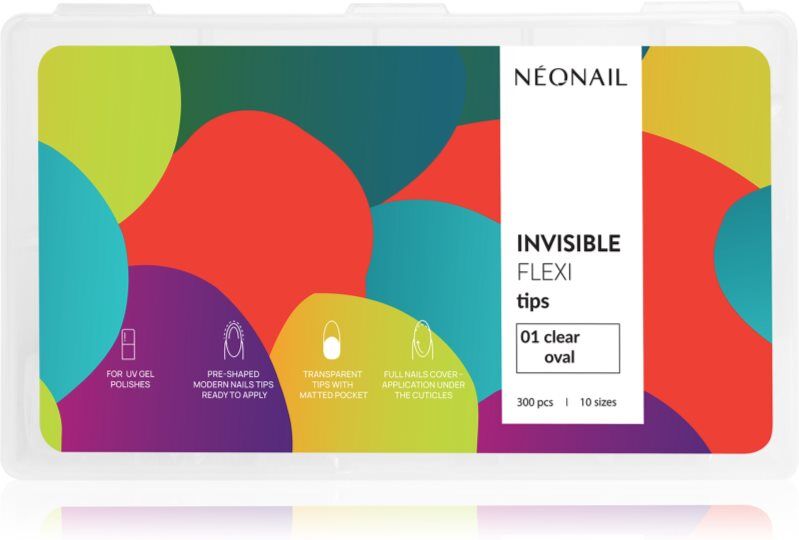
Semilac Slim Tips System Faux ongles type Ballerina 240 pcsSemilac Slim Tips System, 240 pcs, Modelage des ongles pour femme, Élargissez vos possibilités et relookez vos ongles comme personne. Le produit Semilac Slim Tips System vous aidera à réaliser des manucures dignes de pros à la maison. Il améliorera votre routine et complétera à merveille les outils ou les produits de beauté que vous utilisez déjà. Ce produit fera en sorte que vos ongles aient toujours une forme parfaite et une apparence soignée, et que vos mains soient votre plus belle carte de visite. Le produit : dure longtemps sans s’écailler résistant à l’abrasion et à l’écaillage Mode d’emploi : Suivez les instructions du mode d’emploi.11,40 €*Shipping: 3,45 €Secure redirect to the provider

-
Does anyone understand the resting potential?
The resting potential is the electrical charge difference across the cell membrane of a neuron when it is not actively sending a signal. It is typically around -70 millivolts and is maintained by the sodium-potassium pump. Understanding the resting potential is crucial in understanding how neurons communicate and how action potentials are generated. It serves as the baseline state from which neurons can quickly change their electrical charge to transmit signals. **
-
Can you explain the resting potential?
The resting potential is the electrical potential difference across the membrane of a neuron when it is not being stimulated. This potential is typically around -70 millivolts and is maintained by the unequal distribution of ions across the membrane. The inside of the neuron is more negatively charged than the outside due to the presence of more negatively charged proteins and an unequal distribution of sodium, potassium, and chloride ions. This difference in charge creates a state of readiness for the neuron to respond to incoming signals. **
-
What happens during the resting potential?
During the resting potential, a neuron is in a state of readiness to transmit an electrical signal. The inside of the neuron is negatively charged compared to the outside, due to the unequal distribution of ions across the cell membrane. This is maintained by the sodium-potassium pump, which actively transports sodium ions out of the cell and potassium ions into the cell. The resting potential allows the neuron to quickly respond to incoming signals and generate an action potential when needed. **
-
Why is the resting potential negative?
The resting potential of a neuron is negative due to the unequal distribution of ions across the neuronal membrane. The inside of the neuron is more negatively charged compared to the outside, primarily due to the presence of more negatively charged proteins and organic anions inside the cell. Additionally, the selective permeability of the neuronal membrane to potassium ions, which are more concentrated inside the cell, also contributes to the negative resting potential. These factors collectively result in a negative resting potential, which is essential for the proper functioning of the neuron and for the generation of action potentials. **
What is the difference between equilibrium potential, resting potential, and membrane potential?
Equilibrium potential is the membrane potential at which the net flow of a particular ion across the membrane is zero. Resting potential is the membrane potential of a cell when it is at rest, typically around -70 millivolts in neurons. Membrane potential refers to the difference in electrical charge between the inside and outside of a cell, which is maintained by the selective permeability of the cell membrane to different ions. In summary, equilibrium potential is the potential at which there is no net flow of ions, resting potential is the potential of a cell at rest, and membrane potential is the overall potential across the cell membrane. **
What is the difference between resting potential and membrane potential?
Resting potential refers to the membrane potential of a neuron when it is not being stimulated or sending signals. It is typically around -70 millivolts and represents the baseline electrical charge of the neuron. Membrane potential, on the other hand, refers to the difference in electrical charge between the inside and outside of a neuron's cell membrane at any given moment, including both resting and active states. In summary, resting potential is a specific type of membrane potential that represents the neuron's baseline electrical state when not actively transmitting signals. **
Top-Angebote
Products related to Resting potential:
-
Bumble and bumble Bb. Full Potential Conditioner après-shampoing fortifiant 200 mlBumble and bumble Bb. Full Potential Conditioner, 200 ml, Démêlants pour femme, Le shampoing a pour effet d’ouvrir la cuticule, c’est-à-dire la couche externe des cheveux. Une fois lavés, ils ont donc besoin d’un soin qui referme cette cuticule. C’est précisément le rôle de l’après-shampoing Bumble and bumble Bb. Full Potential Conditioner. En plus de refermer les fibres capillaires, il les nourrit, les hydrate et les assouplit, ce qui est indispensable pour obtenir des cheveux éclatants de beauté et de santé. Il les protège également des agressions mécaniques, les empêche de s’assécher, lisse leur surface, les adoucit et les rend ainsi plus faciles à démêler et à coiffer. Le produit : lisse et agit contre les frisottis facilite le coiffage des cheveux qui sont plus dociles apporte l’hydratation nécessaire donne de la souplesse et du volume à vos cheveux empêche les cheveux de se casser Mode d’emploi : Appliquez sur des cheveux qui viennent d’être lavés au shampoing. Laissez agir quelques minutes, puis rincez bien.26,40 €*Shipping: 3,45 €Secure redirect to the provider
-
Semilac Slim Tips System Faux ongles type 240 pcsSemilac Slim Tips System, 240 pcs, Modelage des ongles pour femme, Élargissez vos possibilités et relookez vos ongles comme personne. Le produit Semilac Slim Tips System vous aidera à réaliser des manucures dignes de pros à la maison. Il améliorera votre routine et complétera à merveille les outils ou les produits de beauté que vous utilisez déjà. Ce produit fera en sorte que vos ongles aient toujours une forme parfaite et une apparence soignée, et que vos mains soient votre plus belle carte de visite. Le produit : dure longtemps sans s’écailler résistant à l’abrasion et à l’écaillage Mode d’emploi : Suivez les instructions du mode d’emploi.8,36 €*Shipping: 3,45 €Secure redirect to the provider
-
Semilac Slim Tips System Faux ongles type Ballerina 240 pcsSemilac Slim Tips System, 240 pcs, Modelage des ongles pour femme, Élargissez vos possibilités et relookez vos ongles comme personne. Le produit Semilac Slim Tips System vous aidera à réaliser des manucures dignes de pros à la maison. Il améliorera votre routine et complétera à merveille les outils ou les produits de beauté que vous utilisez déjà. Ce produit fera en sorte que vos ongles aient toujours une forme parfaite et une apparence soignée, et que vos mains soient votre plus belle carte de visite. Le produit : dure longtemps sans s’écailler résistant à l’abrasion et à l’écaillage Mode d’emploi : Suivez les instructions du mode d’emploi.11,40 €*Shipping: 3,45 €Secure redirect to the provider
-
How is the resting potential and membrane potential created?
The resting potential is created by the unequal distribution of ions across the cell membrane. This is maintained by the sodium-potassium pump, which actively transports sodium ions out of the cell and potassium ions into the cell. The membrane potential is created by the separation of charges across the cell membrane, with the inside of the cell being more negatively charged compared to the outside. This is due to the presence of negatively charged proteins inside the cell and the movement of ions across the membrane. **
-
What is the resting potential and the membrane potential?
The resting potential is the electrical potential difference across the membrane of a neuron when it is not being stimulated. It is typically around -70 millivolts and is maintained by the unequal distribution of ions across the membrane. The membrane potential refers to the difference in electrical charge between the inside and outside of the cell membrane, which is essential for the transmission of signals in neurons. **
-
Does anyone understand the resting potential?
The resting potential is the electrical charge difference across the cell membrane of a neuron when it is not actively sending a signal. It is typically around -70 millivolts and is maintained by the sodium-potassium pump. Understanding the resting potential is crucial in understanding how neurons communicate and how action potentials are generated. It serves as the baseline state from which neurons can quickly change their electrical charge to transmit signals. **
-
Can you explain the resting potential?
The resting potential is the electrical potential difference across the membrane of a neuron when it is not being stimulated. This potential is typically around -70 millivolts and is maintained by the unequal distribution of ions across the membrane. The inside of the neuron is more negatively charged than the outside due to the presence of more negatively charged proteins and an unequal distribution of sodium, potassium, and chloride ions. This difference in charge creates a state of readiness for the neuron to respond to incoming signals. **
Similar search terms for Resting potential
-
What happens during the resting potential?
During the resting potential, a neuron is in a state of readiness to transmit an electrical signal. The inside of the neuron is negatively charged compared to the outside, due to the unequal distribution of ions across the cell membrane. This is maintained by the sodium-potassium pump, which actively transports sodium ions out of the cell and potassium ions into the cell. The resting potential allows the neuron to quickly respond to incoming signals and generate an action potential when needed. **
-
Why is the resting potential negative?
The resting potential of a neuron is negative due to the unequal distribution of ions across the neuronal membrane. The inside of the neuron is more negatively charged compared to the outside, primarily due to the presence of more negatively charged proteins and organic anions inside the cell. Additionally, the selective permeability of the neuronal membrane to potassium ions, which are more concentrated inside the cell, also contributes to the negative resting potential. These factors collectively result in a negative resting potential, which is essential for the proper functioning of the neuron and for the generation of action potentials. **
-
What is the difference between equilibrium potential, resting potential, and membrane potential?
Equilibrium potential is the membrane potential at which the net flow of a particular ion across the membrane is zero. Resting potential is the membrane potential of a cell when it is at rest, typically around -70 millivolts in neurons. Membrane potential refers to the difference in electrical charge between the inside and outside of a cell, which is maintained by the selective permeability of the cell membrane to different ions. In summary, equilibrium potential is the potential at which there is no net flow of ions, resting potential is the potential of a cell at rest, and membrane potential is the overall potential across the cell membrane. **
-
What is the difference between resting potential and membrane potential?
Resting potential refers to the membrane potential of a neuron when it is not being stimulated or sending signals. It is typically around -70 millivolts and represents the baseline electrical charge of the neuron. Membrane potential, on the other hand, refers to the difference in electrical charge between the inside and outside of a neuron's cell membrane at any given moment, including both resting and active states. In summary, resting potential is a specific type of membrane potential that represents the neuron's baseline electrical state when not actively transmitting signals. **
* All prices are inclusive of VAT and, if applicable, plus shipping costs. The offer information is based on the details provided by the respective shop and is updated through automated processes. Real-time updates do not occur, so deviations can occur in individual cases. ** Note: Parts of this content were created by AI.